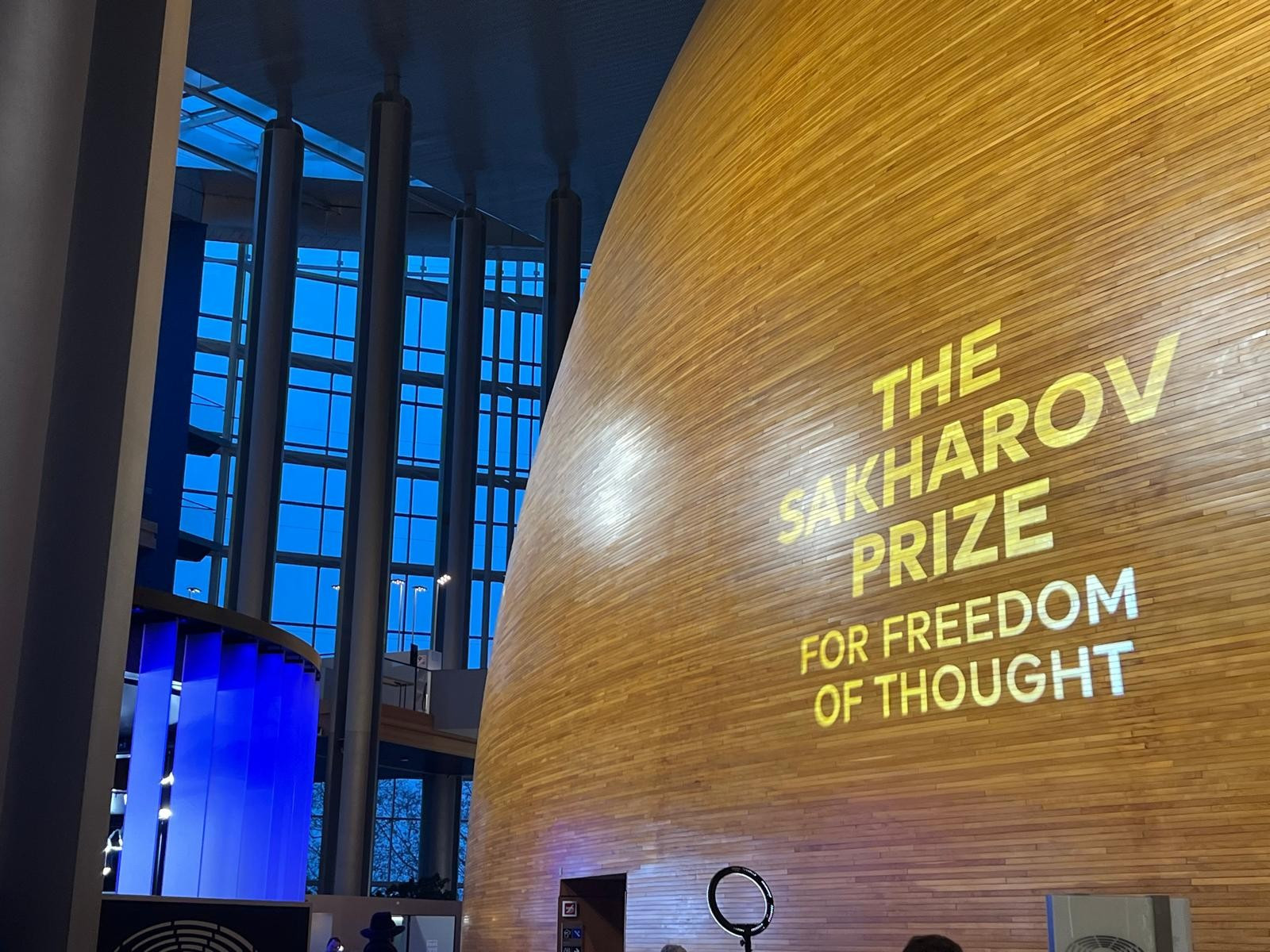
As the European Parliament awarded the Sakharov Prize, a powerful message echoed through the hemicycle: journalism matters, and so does democracy. This year, the prize shines a spotlight on journalists jailed for speaking truth to power, including Georgian reporter Mzia Amaglobeli, whose case has become emblematic of a broader global crackdown on press freedom.
Imprisoned after covering protests and criticising the authorities, Amaglobeli faces charges that her lawyer, international human rights advocate Caoilfhionn Gallagher, describes as a legal smokescreen designed to silence her work. “This is not about assault or public order,” Gallagher explains. “It is about criminalising journalism.”
Speaking after the award ceremony, Gallagher underlined the importance of international pressure when the rule of law collapses at national level. With courts no longer offering effective protection, accountability must come from institutions such as the European Union, the Council of Europe and the United Nations.
The Sakharov Prize, she argues, is not symbolic alone. By amplifying attention and increasing political leverage, it can make continued detention “not worth the trouble” for authoritarian governments. In an era of rising repression, the message is clear: silencing journalists will not go unnoticed.
An interview by Dara O'Carroll.